

Facelift Recovery: Week-by-Week Timeline
Understanding the facelift recovery timeline can help you feel more prepared for surgery. Many patients worry less about the procedure and more about the healing. How long will swelling last? When can you return to work? How soon will you feel comfortable in social settings again?
Fortunately, facelift recovery follows a fairly predictable pattern. The first week brings the most swelling and bruising. But most patients notice steady improvement over the following weeks. This guide explains what to expect at each stage. It covers everything from the first day after surgery to the months when your final results become more visible.
TL;DR
- Facelift recovery follows steady stages. The first week is the toughest for swelling, bruising, and tightness. Then things steadily get better over Weeks 2 to 4. You start feeling and looking more like yourself.
- Most people can return to light or desk work around 10 to 14 days after surgery. They can resume social activities gradually from Weeks 3 to 4. Scars and facial contours keep improving over the next several months.
- Mini facelifts usually have milder swelling and slightly faster social downtime than full facelifts. But both need careful aftercare, activity limits, and close follow-up with your surgeon. This ensures safe, smooth healing.
What Should You Expect Immediately After Facelift Surgery?
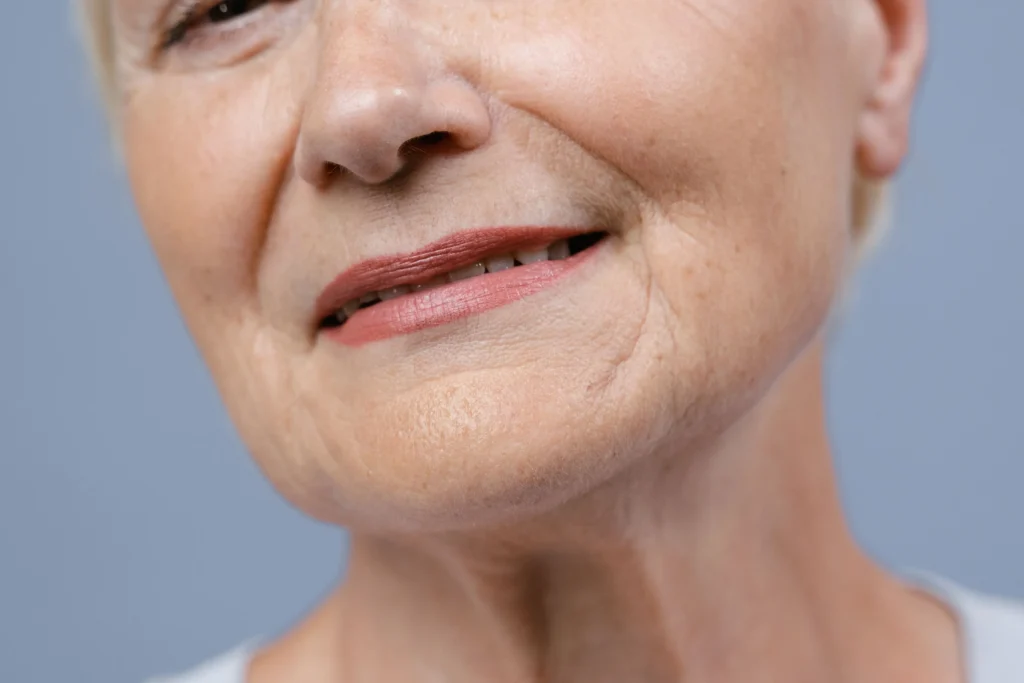
Right after facelift surgery, swelling, bruising, mild discomfort, and tightness around the treated areas are common. Your face might be wrapped in bandages, and small drainage tubes could be temporarily placed to prevent fluid buildup. Your surgeon will give you pain medication, detailed aftercare instructions, and guidance on how to care for your incisions.
Most patients are able to go home either on the same day or after a brief observation, depending on the procedure’s extent and their overall health.
Facelift Recovery Timeline: The Recovery Room and First Night
You can expect:
- Grogginess from anaesthesia
- Also, tightness or pressure around your cheeks, jawline, and neck
- Finally, dressings or a head wrap holding everything gently in place
The team will check your comfort, pain level, and vital signs. They will do this before you go home or before you go to an overnight clinic.
Facelift Recovery Timeline: The First 24–48 Hours
The first couple of days are about rest and safety. You will usually be told to:
- Sleep with your head raised using extra pillows
- Also, avoid bending over or lifting heavy objects
- Finally, take short, gentle walks around your home
Call your surgeon urgently if you notice:
- Sudden, severe pain on one side
- Also, rapid, firm swelling on one side of the face or neck
- Or difficulty breathing or chest pain
What Happens in Week 1 of Facelift Recovery?
Week 1 of the Facelift Recovery Timeline: Swelling, Bruising, and Dressings
Swelling and bruising after a facelift usually peak in the first few days. So expect this to be the toughest stretch.
You’ll likely see:
- Purple or blue bruising that may move downward with gravity
- Also, puffiness around your ears, lower cheeks, and neck
- Finally, stiffness or tightness when you move your face
Your surgeon may change or remove bandages at your first follow-up. Drains, if used, are often taken out within the first couple of days.
Week 1 of the Facelift Recovery Timeline: Pain and Comfort Measures
Most patients feel tightness and pressure rather than severe pain. So to stay comfortable, you will usually be told to:
- Take pain medicine on schedule and reduce it as you feel better
- Also, keep your head raised, including during naps
- Then use cold compresses as directed to reduce swelling
- Finally, avoid very hot showers on your face in the first few days
Do not apply creams, oils, or home remedies to your cuts. Only use products your surgeon has approved.
Week 1 of the Facelift Recovery Timeline: First Follow-Up Visit
Your first follow-up visit usually takes place during Week 1. During this visit, your surgeon will:
- First, check your cuts and bruising
- Then adjust dressings if needed
- Finally, review facelift aftercare, medicines, and activity limits
What Changes in Week 2 of Facelift Recovery?
Week 2 of the Facelift Recovery Timeline: Bruising and Swelling Improve
In Week 2, the worst is usually over. Swelling goes down, but your face can still look puffy or uneven.
Any visible stitches may be taken out around this time. This depends on your surgeon’s method. Cuts will still be pink but should be clean and dry.
Week 2 of the Facelift Recovery Timeline: Energy Levels and Daily Activities
You will usually feel more energetic and need less pain medicine. Many patients start to:
- Do light household tasks
- Also move around the house more confidently
However, you should still avoid heavy lifting, hard exercise, and activities that raise facial pressure or redness.
Week 2 of the Facelift Recovery Timeline: Returning to Work
If you have a desk job or work from home, you may return to light work around 10 to 14 days after surgery. This depends on how you feel and how visible your bruising is.
What to Expect in Weeks 3–4 of Facelift Recovery?
Weeks 3–4 of the Facelift Recovery Timeline: Looking More Natural
By Weeks 3 to 4, most bruising is gone or easy to hide with makeup. Swelling is reduced. It is often noticeable mainly to you and your surgeon.
At this stage, you can usually:
- Style your hair closer to your usual look
- Resume most public activities comfortably
- Use makeup once cuts have sealed and you are cleared to do so
Weeks 3–4 of the Facelift Recovery Timeline: Social Activities and Exercise
Many people feel ready to:
- Attend small social gatherings
- Go out for dinners and other social activities
- Attend in-person work meetings
Your surgeon may allow light exercise such as walking or gentle cycling. But they will still warn against high-impact workouts and heavy weights. This is until you are further along in your recovery.
What Happens After 1 Month? (Month 2 and Beyond)
Facelift Recovery Timeline: Recovery Progress During Months 2–3
From the second month onward, your face slowly changes for the better. Here is what to expect:
- Swelling continues to go down
- The tight feeling softens
- Your features look more relaxed and natural
Facelift Recovery Timeline: Long-Term Healing Up to 12 Months
Healing continues quietly for months. Here is what to expect:
- Scars fade and flatten
- Areas of numbness or changed feeling slowly improve
- Your facelift result looks more settled and balanced
When Can You Judge Your Final Result?
Try not to judge your facelift result in the first few weeks. Your surgeon will usually suggest waiting several months. This gives the tissues time to fully settle before any firm judgments or touch-ups.
Facelift Recovery Timeline: Normal vs Concerning Symptoms
Normal healing signs include:
- Tightness and mild discomfort
- Changing bruise colors
- Mild unevenness as one side settles faster than the other
Concerning signs that should prompt a call to your surgeon include:
- Sudden new severe pain
- Rapid, tense swelling on one side
- Spreading redness, warmth, or bad-smelling discharge
- Fever or feeling very unwell
When in doubt, contact your surgeon. This is always safer than waiting.
How Should You Manage Pain and Facelift Aftercare?
Pain Medication and Comfort Strategies
You will leave with a pain plan. In the first few days, you may need prescription pain relief. Most patients switch to milder options quickly. So to stay comfortable, you should:
- Take medicine exactly as prescribed
- Avoid smoking, which slows healing
- Use cold compresses and head raising as recommended
Incision Care and Hygiene
Good wound care supports smoother healing. You will usually be told to:
- Keep your incisions clean and dry
- Wash your hair and face carefully according to your surgeon’s instructions
- Avoid makeup or creams directly on incisions until cleared
If a cut becomes redder, more painful, or weepy, contact your clinic for advice.
What Activity Restrictions Should You Expect During Recovery?
Exercise and Activity Restrictions
- Gentle walking is encouraged early. But hard exercise and heavy lifting should be avoided.
- Also avoid straining or anything that raises your blood pressure sharply
These limits usually ease over several weeks as you heal.
Sun Protection and Skincare
Bangalore’s sun and heat can affect healing skin. So protecting it is very important. You will be told to:
- Use a broad-spectrum sunscreen once your surgeon says it is safe
- Also wear a hat when outdoors
- Avoid direct sun on healing scars for several months
Good sun protection helps reduce dark spots and supports better scar healing.
When Can You Return to Work and Social Activities?
Returning to Office or Remote Work
Most people can return to remote or office work:
- Around 10 to 14 days after surgery for many desk jobs
- A bit later for highly visible or client-facing roles
Your comfort level, job type, and company culture all matter. Some patients prefer working from home initially.
Returning to Social Activities
You’ll likely feel ready for:
- Casual outings and smaller gatherings by Weeks 3 to 4
- Larger events or important functions several weeks to a few months after surgery
So plan major events only after enough recovery time.
How Does Recovery Differ Between Mini Facelift and Full Facelift?
Mini Facelift Recovery Timeline vs Full Facelift Recovery
If you have chosen a mini facelift, your recovery often follows the same path. But it can feel milder:
- Less swelling and bruising
- You may feel presentable a bit sooner
- You still need to follow all aftercare and activity steps carefully
Mini Facelift Recovery Timeline: What Bangalore Patients Should Know?
When you discuss options and mini facelift Bangalore cost with your surgeon, also discuss downtime:
- How many days should you plan off work
- When you can safely drive again
- How soon you should resume commuting, travel, and exercise
So, recovery expectations should be discussed along with the cost of a mini facelift in Bangalore during your visit.
What Warning Signs or Complications Should You Watch For?
When to Call Your Surgeon?
Call your surgeon or clinic immediately if you have:
- Sudden, intense, or one-sided pain
- Rapid swelling on one side of the face or neck
- Redness, warmth, or pus developing around a cut
- Fever, chills, or feeling very unwell
These symptoms can signal bleeding or infection and should never be ignored.
Common Recovery Concerns
Less serious, but still important, issues include:
- Small areas of delayed wound healing
- Bruises that take longer than expected to fade
- Short-term hair shedding near cut sites
These issues are usually manageable with proper follow-up care.
Conclusion: What Is the Big Picture of Facelift Recovery?
Facelift recovery happens slowly over several weeks and months. Swelling, bruising, and tightness are most noticeable early on. But most patients return to normal routines as healing moves forward. Over time, swelling settles, scars soften, and results become more refined.
If you are considering a facelift or discussing mini facelift costs in Bangalore, make sure you understand both the procedure and the recovery. So a detailed visit helps you prepare for healing, downtime, aftercare, and long-term results.
At Facetalks, we believe recovery planning is just as important as the surgery itself. During your visit, we first discuss healing timelines and activity limits. We then cover follow-up care and what to expect at each stage. So you can prepare with realistic expectations and confidence.
Planning a Facelift in Bangalore?
Understanding the recovery process is an important part of preparing for facelift surgery. A consultation at our facelift clinic in Kalyan Nagar can help you understand healing timelines, aftercare, downtime, and recovery expectations. You can also discuss your concerns with our experienced maxillofacial surgeon and explore the most suitable treatment options for your goals.
To book a facelift consultation in Bangalore, call us at 84319-91306 or 78925-91862, or email info@facetalks.in or facetalks321@gmail.com.
Schedule your facelift consultation today.
Address: 1st Floor, 228, 100 Feet Rd, HRBR Layout 1st Block, HRBR Layout, Kalyan Nagar, Bengaluru, Karnataka 560043
FAQs About Facelift Recovery Timeline
- How painful is facelift recovery?
Most people describe tightness or pressure rather than severe pain when medication is used correctly. - How long will I look swollen or bruised?
Swelling peaks in the first week. It then improves steadily over the weeks that follow. Bruising often fades by Week 2 or 3. - When can I wash my hair and apply makeup?
You can usually wash your hair within a few days. This depends on your surgeon’s guidance. Makeup is typically allowed once cuts seal, often around 10 to 14 days. - When can I travel after surgery?
Short trips may be possible after the early phase. However, long flights and major travel plans should be discussed with your surgeon. They should be scheduled with enough recovery time. - How soon will I feel confident going back to social events?
Many patients feel comfortable with smaller events by Weeks 3 to 4. They feel ready for larger occasions once swelling is minimal and scars are less noticeable.
References