
Open vs Closed Rhinoplasty: Which Is Right for You?
Most people start by comparing open vs closed rhinoplasty. It comes up early when researching a nose job in Bangalore. Both techniques reshape the nose and can improve breathing. Yet the difference is how the surgeon reaches your nose.
Research shows both can deliver strong results. Still, what matters most is choosing the right one for your nose. This guide covers the key differences. It covers recovery too. You will also find help on choosing the right approach.
TL;DR
- Open and closed rhinoplasty are two ways to perform the same surgery. Both reshape the nose. The key difference is where the cut is made. It also affects how much the surgeon can see.
Studies show both techniques can deliver good cosmetic and breathing results. This is true when a skilled surgeon performs them. Still, there is no single best method for everyone.
- Open rhinoplasty suits complex or revision cases. Closed rhinoplasty works better for first-time patients who need subtle changes. Your surgeon will examine your nose. Then they will recommend the right one.
- The right approach is decided at your consultation. This is true for any nose job in Bangalore. After checking your nose, your surgeon will know your goals. Then they will explain which technique fits.
Open vs Closed Rhinoplasty: What Is the Difference?
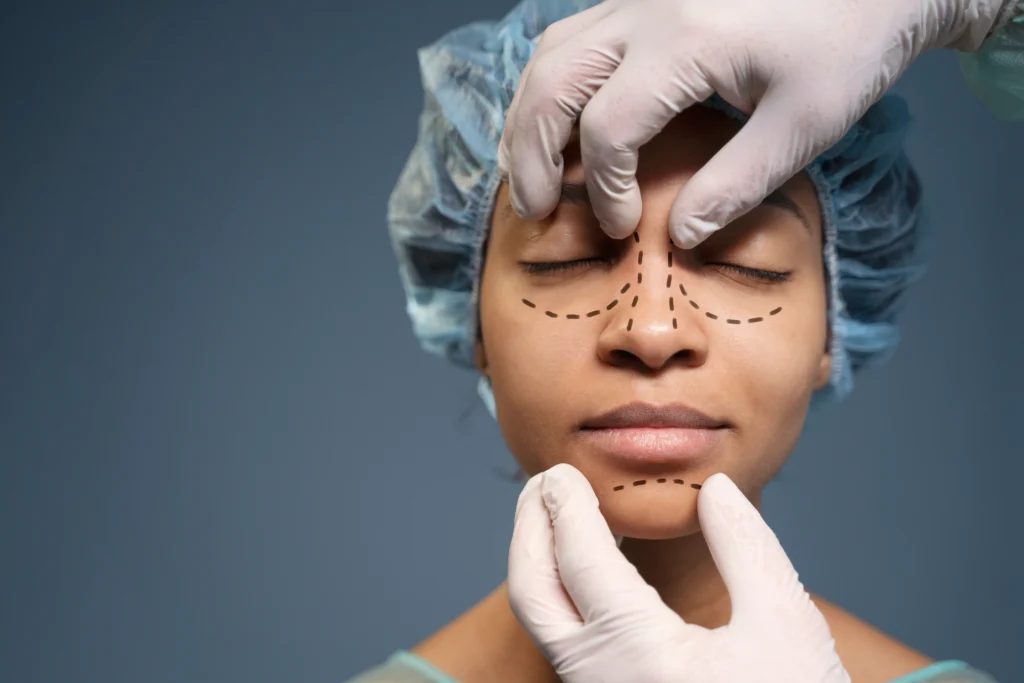
Open vs closed rhinoplasty are not two different surgeries. Both reach the same parts of the nose. In both cases, the surgeon reshapes bone and cartilage. The goal is a more balanced nose. So the right choice depends on your nose. It also depends on what you want to change.
| Factor | Open Rhinoplasty | Closed Rhinoplasty |
| Incision location | Across the columella + inside the nose | Inside the nostrils only |
| Surgeon visibility | Higher | More limited |
| Best suited for | Complex or revision cases | Moderate primary cases |
| External scar | Small columella scar | No external scar |
| Swelling | Slightly more in early stages | Marginally less |
| Tip reshaping access | Excellent | More limited |
| Overall recovery | Similar | Similar |
How Does Open Rhinoplasty Work?
In open rhinoplasty, the surgeon makes a small cut along the columella. That is the strip of skin between your nostrils. They also cut inside the nose. This lets them lift the skin. They can then see the nose clearly.
This access is useful for:
- Correcting complex nasal deformities
- Straightening a severely crooked nose
- Detailed tip reshaping and refinement
- Revision surgery after a previous nose job
Better visibility helps the surgeon work more precisely. That is why it is often chosen for patients who need major changes.
How Does Closed Rhinoplasty Work?
In closed rhinoplasty, all cuts are made inside the nostrils. There is no external incision. The surgeon reshapes bone and cartilage through these openings. Here, the skin is not lifted.
Surgeons generally recommend this approach for:
- First-time surgery cases
- Patients who need moderate changes without major rebuilding
- Cases where all corrections can be made from inside the nose
All cuts are inside the nose. So there is no visible scar. Also, some patients notice slightly less swelling early on. This depends on how much work was done.
How Do Both Approaches Reshape the Same Nose Structures?
Both techniques work on the same parts of the nose. For example, this includes the bones, cartilages, and sometimes the septum. The goals are also the same:
- Improve shape and symmetry
- Support and refine the nasal tip
- Correct deviations or asymmetries
- Maintain or improve breathing function
Open vs Closed Rhinoplasty: Which Gives Better Results?
What Does Research Say About Outcomes?
Several studies have compared open vs closed rhinoplasty. They looked at long-term outcomes. The results are consistent. In fact, neither technique comes out ahead. Results are similar for satisfaction and breathing. Complication rates are alike too.
- A 2025 meta-analysis included more than 1,000 patients. It found no major difference between the two groups. This includes how patients felt about their results. It also covers breathing.
- A 2022 systematic review reached a similar conclusion. It confirmed that both techniques lead to high satisfaction. Also, breathing results were good. This holds true when the right one is chosen.
What matters more is the surgeon’s skill. Your anatomy matters too. So does how well the surgery is planned. The technique itself is a smaller factor.
Open vs Closed Rhinoplasty: When Is Open Rhinoplasty the Better Choice?
Surgeons prefer this approach for complex cases. These cases need major reshaping or rebuilding. For instance, your surgeon may recommend this approach if:
- Your nose appears significantly crooked or twisted.
- You have had a nose job before and need revision surgery.
- The tip of your nose needs major reshaping or added support.
- You have a nasal issue from injury or one you were born with.
The incision on the columella is small. Usually, it heals into a faint line. Over time, it becomes hard to notice. For most patients, the extra precision is worth it.
Open vs Closed Rhinoplasty: When Is Closed Rhinoplasty the Better Option?
Surgeons often recommend this approach for patients who:
- Are having their first nose job
- Need moderate changes to the bridge or tip.
- Do not require extensive nasal reconstruction.
- Prefer no external incision and are a good fit for this approach.
Closed rhinoplasty works well when the changes needed are small and clear. It also causes less internal disruption. It suits patients who want subtle changes.
Open vs Closed Rhinoplasty: Recovery and Scarring Comparison
Is Recovery Time Different Between The Two?
Recovery depends mostly on how much reshaping was done. So it does not matter much whether it was open or closed. Closed rhinoplasty may mean slightly less early swelling. But overall, healing time is about the same for both.
Talk to your surgeon about how much work is involved. Do this when planning your surgery. That gives you a more accurate idea of recovery time. Also, do not assume one technique guarantees a quicker recovery.
What About Scarring and Long-Term Appearance?
Scarring is a common concern with open rhinoplasty. Still, the incision on the columella is small. When closed carefully, it heals into a fine line. Most patients say it becomes nearly invisible. Typically, this happens within a few months.
Closed rhinoplasty leaves no external scar. All cuts are made inside the nostrils. Either way, both techniques aim for a natural result. The goal is a look that suits your face.
Open vs Closed Rhinoplasty in Bangalore: How to Choose the Right Approach
Why Surgeon Experience Matters More Than the Technique?
Research is clear on one point. The technique matters less than the surgeon. Instead, good results come from skill and planning. Matching the method to your nose matters too. After all, open vs closed is just a starting point.
For anyone considering nose job surgery in Bangalore, this means:
- Look for surgeons who do this often. They should know both techniques well.
- Check that they are board-certified. They should also be trained in facial surgery.
- Choose surgeons who give clear, honest answers. Avoid those who rely on marketing language.
- A good surgeon knows both approaches well. So they will recommend whichever is safest for you.
Questions to Ask During Your Consultation
Go into your consultation prepared. That way, it helps you make a better decision. Consider asking:
- “Why are you recommending open or closed rhinoplasty for my case specifically?”
- “What changes are you planning to make and why?”
- “How will this surgery affect my breathing?”
- “What does recovery typically look like for someone with my type of nose?”
- “What are the main risks and how do you manage them?”
These questions help you assess the surgeon. For example, they show whether the surgeon has a clear plan for your case.
At Facetalks, we examine you first. We do not decide open or closed before that. Your nose, skin type, and goals are all reviewed carefully. Then we recommend the safest approach and explain exactly why.
Red Flags to Watch Out for When Choosing a Rhinoplasty Surgeon in Bangalore
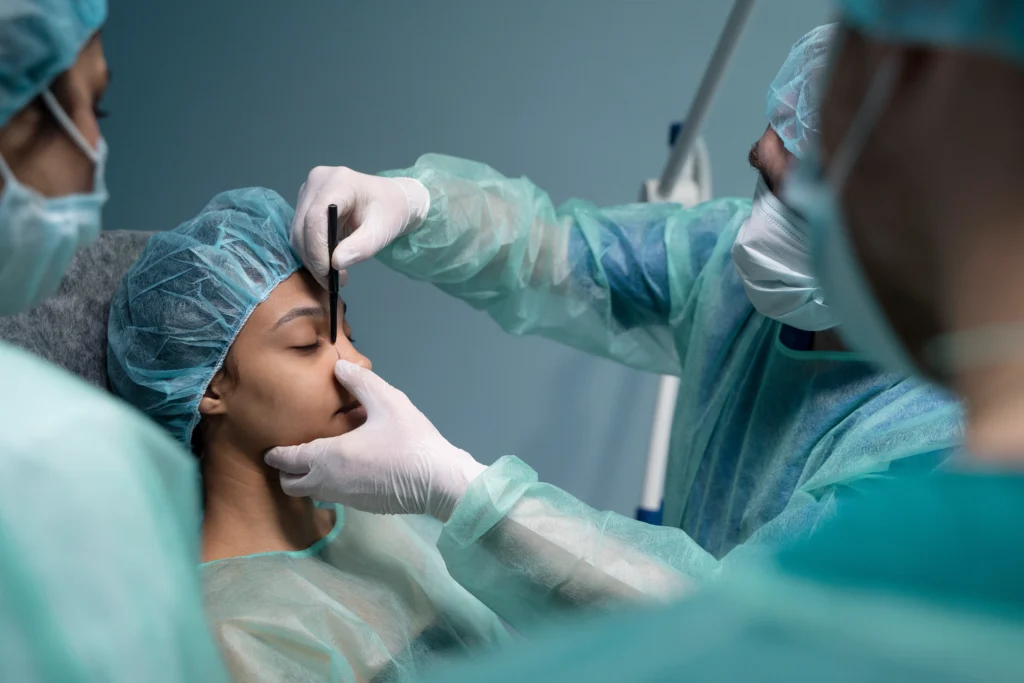
Standards vary widely across nose surgery clinics in Bangalore. Therefore, watch out for these warning signs.
- Promises of “perfect” or “celebrity-quality” results.
- Little to no discussion of risks, recovery, or aftercare.
- Pressure to book quickly without a clear explanation.
- Heavy focus on low prices. Little mention of qualifications or follow-up care.
Safe nose surgery should include a clear consent and sign-off. It should also set honest expectations. The plan must suit your nose. It must also match your goals.
What Are the Risks and Limitations of Rhinoplasty?
Risks Common to Both Open and Closed Rhinoplasty
Both approaches carry similar risks. So patients should understand them before surgery.
- Swelling, bruising, and temporary numbness may occur
- Infection or bleeding. These are rare with good surgical care
- Minor asymmetry. Results may not fully match what you expected
Breathing may change. This can happen if the nose’s support is affected
- The possibility of revision surgery in some cases
Are There Specific Limitations to Each Technique?
Here is what to know about each technique:
Open Rhinoplasty
- Advantage: Better visibility and access. This is useful for complex reshaping, tip work, or revision cases.
- Limitation: There is a small external scar on the columella. There may also be slightly more swelling in the early recovery period.
Closed Rhinoplasty
- Advantage: No external scar and less disruption to surrounding tissue.
- Limitation: Visibility is more restricted. So it is less suitable for complex cases or revision surgery.
Your surgeon will weigh all of this against your goals. Then they will recommend whatever is safest. The goal is the best result for you.
Open vs Closed Rhinoplasty: Which Is Right for You in Bangalore?
Both open vs closed rhinoplasty have strong track records. Yet neither is better across the board. Instead, each works best for specific nose types and goals.
Do not choose a method based only on online research. That applies whether you are in Bangalore or anywhere else. The right approach depends on a qualified surgeon. For example, they should examine your nose, listen to your goals, and build a plan around you. A plan built for your nose will always give better results. Internet research alone is not enough.
If you’re ready to move forward, our team at Facetalks will evaluate your nasal structure. We’ll listen to your goals and explain which approach is best for you. There’s no pressure, just a straightforward chat to help you make an informed choice.
To book a consultation for rhinoplasty in Bangalore, call us at 84319-91306 or 78925-91862, or email info@facetalks.in or facetalks321@gmail.com.
Book your rhinoplasty consultation in Bangalore today.
Address: 1st Floor, 228, 100 Feet Rd, HRBR Layout 1st Block, HRBR Layout, Kalyan Nagar, Bengaluru, Karnataka 560043
This guide is for learning only. It should not take the place of a personal meeting with a qualified oral and maxillofacial surgeon.
Frequently Asked Questions
- Can rhinoplasty be combined with other facial procedures?
Yes. This surgery is sometimes combined with other procedures
- Does skin thickness affect rhinoplasty results?
Yes. Thick or thin skin affects how much detail shows after surgery. It can therefore change your final result.
- At what age can someone undergo rhinoplasty?
Usually, this surgery is done once the nose has finished growing.
- Can allergies affect rhinoplasty recovery?
Seasonal allergies may cause some stuffiness during recovery. However, they rarely affect long-term results.
- How long should I wait before flying after rhinoplasty?
Most surgeons say to wait one to two weeks before you fly. Still, it depends on how fast you heal.
- Will rhinoplasty change my voice?
No. This surgery reshapes the nose. It does not change your voice.
- Can I wear makeup after rhinoplasty?
Most patients can wear makeup once wounds heal. First, though, the surgeon must say it is safe.
- How long do rhinoplasty results last?
Results are long-lasting. Your face will still age naturally over time.
References: